Autonomy is on the horizon. ELNAV.AI ensures we get there safely.

Projects

ON-BOARD VIGILANCE AND WATCHKEEPING SUPPORT

Preserve professional watchkeeping on increasingly automated bridges

Aware Mate is an on-board, human-in-the-loop vigilance and watchkeeping support system designed to help the officer of the watch stay alert, engaged, and operationally effective
before risk escalates into a safety event.

It combines earlier on-board intervention with privacy-
bounded operational insight, including alert trends, watch
occupancy context, unattended or long-absence patterns, and, where enabled, traffic-adjusted risk review.

On-board processing

Human-in-the-loop

Privacy-first

Processing stays on board by default. No identity recognition. No emotion recognition. No ship-to-shore raw video by default.

Helmsman
Wrong helm

Helm Order Monitor

A real-time safety system designed to reduce miscommunication between helmsmen and navigators during critical navigation phases.

Maritime disasters like the Costa Concordia and Exxon Valdez revealed a crucial gap: inaccurate helm command execution. Helm Order Monitor solves this by combining automatic speech recognition with bridge context to verify helm orders as they’re given—in real time.

On top of that, it integrates speech emotion recognition to monitor vocal stress patterns on the bridge—providing early, real time advisories when cognitive overload could compromise safety.

Whether onboard or in nautical simulators, Helm Order Monitor enhances both operational safety and training precision.

Think of it as a “lane departure warning system” for ships—continuously safeguarding navigation when it matters most.

Project Sentinel

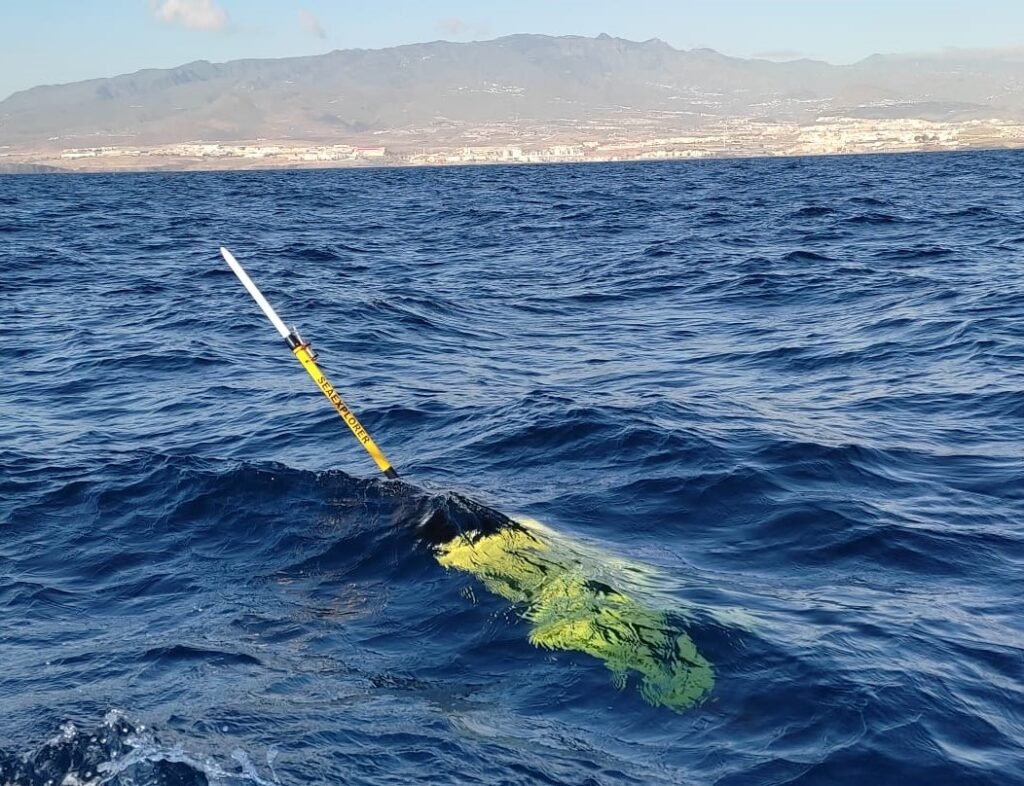
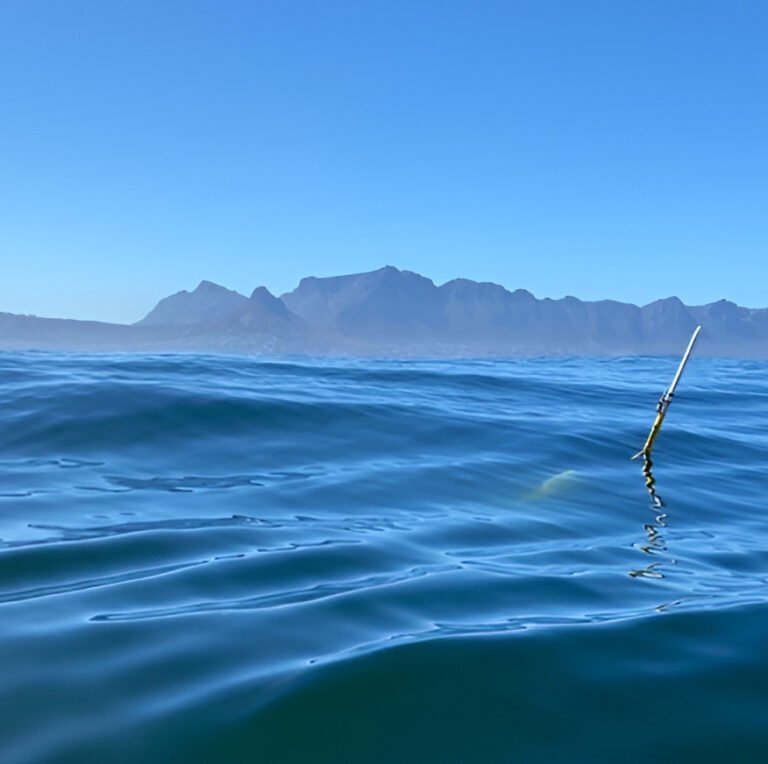
AI-powered underwater gliders — the speed cameras of the sea

Illegal oily discharges and sewage dumps happen mostly at night, beyond the reach of satellite spotters. Sentinel gliders change the game: like traffic speed cameras, they patrol shipping lanes 24/7, automatically sample the water in a ship’s wake, and record violations the moment they occur.

Each bright-yellow glider cruises for months below the surface, using advanced sensors and onboard AI to detect oil, chemicals and sewage. When contamination is found, the glider pops up, beams the evidence to authorities in seconds, and then dives back to its silent watch.

Real-time proof, zero blind spots—making polluters pay, not the ocean.

More in development

From the press

ELNAV aims to make navigation at sea safer. I spent thirty years in the merchant marine. During that time, I noticed that there was still a lot to be gained when it came to safety at sea. That is why I founded Elnav, which is part of the ICT Županija ecosystem. Elnav is developing a research prototype that explores how speech technologies, reviewed alongside existing bridge information, might help crews maintain clear, closed‑loop communication. The prototype is not an operational safety system and does not replace existing equipment.

Miscommunication on the bridge is a known safety risk. In a joint research effort, Fraunhofer IDMT and ELNAV are evaluating speech‑technology use‑cases for maritime safety, primarily in lab and simulator settings. The work explores feasibility and robustness in noisy environments; specific product features and algorithms remain under development and subject to intellectual‑property filings. The prototype investigates whether modern speech technologies can support bridge resource management by helping crews review verbal coordination alongside routinely available bridge data. It is a research demonstrator and does not advise, control equipment, or replace existing safety systems.

Human error accounts for 75% of marine liability losses

While huge strides continue to be made in improving marine safety, human error remains, by far, the most important factor in marine liability claims and losses, according to Allianz Global Corporate & Specialty (AGCS) in its Global Claims Review: Liability in Focus.

Supported by