
A Day of Celebration on the Awards Stage at Europort!

The spotlight turned to Europort’s Rising Stars, where ELNAV.AI received the Rising Star Award, including a €10,000 media package from HANSA.
ELNAV.AI Is Building an Early-Warning System for Oil Pollution in the Adriatic
Combining AI, maritime robotics, and operational experience at
sea to build products that are usable in real conditions – not only in research settings.
Grounding of ferry Alfred

A brief bridge lapse and limited sea room escalated into injuries, vessel damage, schedule disruption, and claims.
Karen Danielsen Allision

A bridge strike tore away the wheelhouse and deck gear, showing how little margin remains once a vessel departs from its intended track.
Grounding of MV Flash
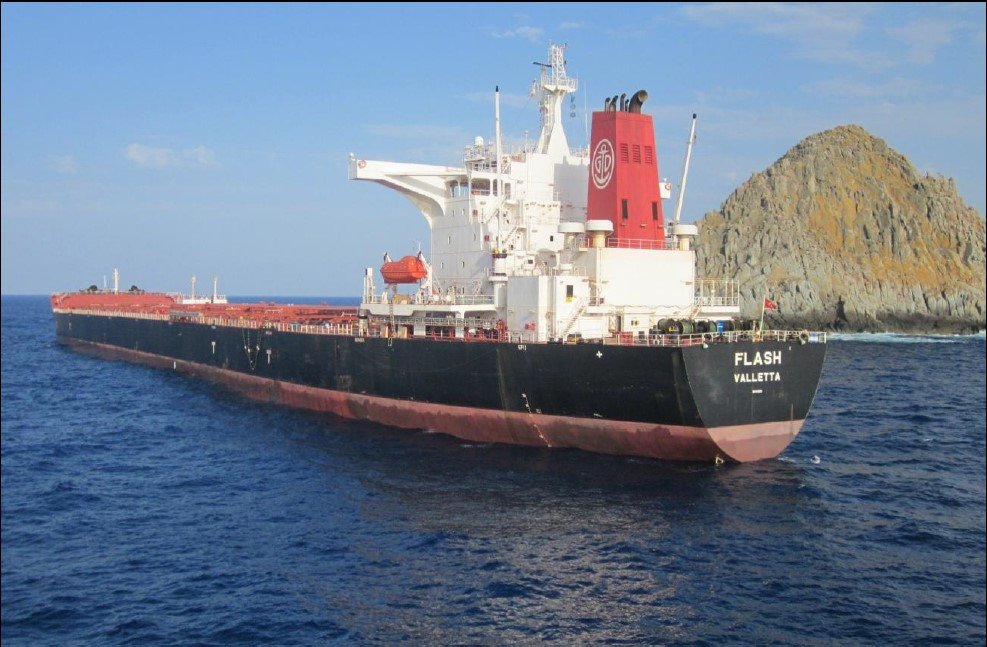
A watchkeeper fell asleep, the ship grounded off Tunisia, and a quiet bridge lapse became a major casualty.
Grounding of cargo ship Jambo

A grounding in Loch Broom escalated into a sinking and pollution concern, turning a navigation failure into a full-loss event.
Grounding of MV Antari
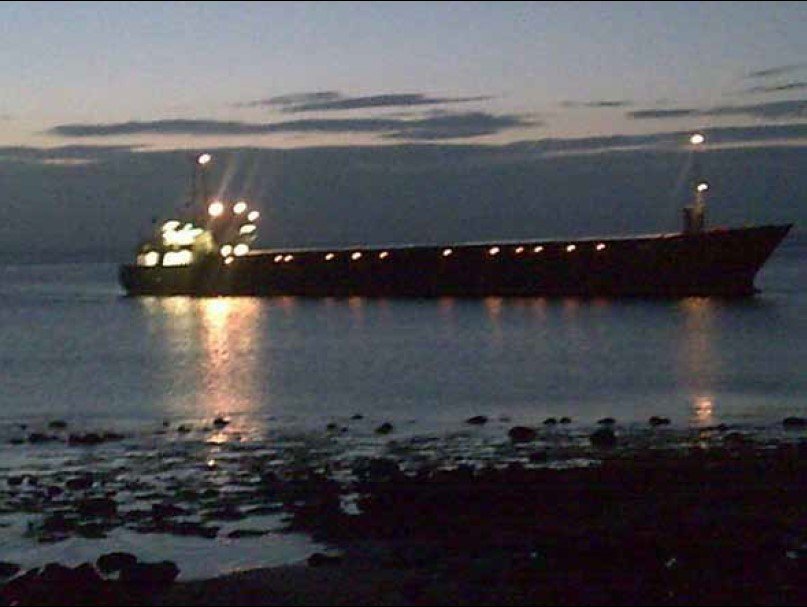
Fatigue and weak bridge vigilance led to a grounding off Northern Ireland, showing how quickly risk builds on an under-protected watch.
Ship-to-shore “AI CCTV” at sea: safety tool, or governance trap?

Ship-to-shore AI CCTV promises unprecedented visibility: engines leaking oil miles away, a drowsy watchkeeper, a parted mooring line—all flagged in real-time to the office. But is this a safety revolution, or a governance trap where the Master’s authority erodes under constant remote scrutiny?
AI Lookouts on the Bridge – Assistance, Authority, and the Mental Model
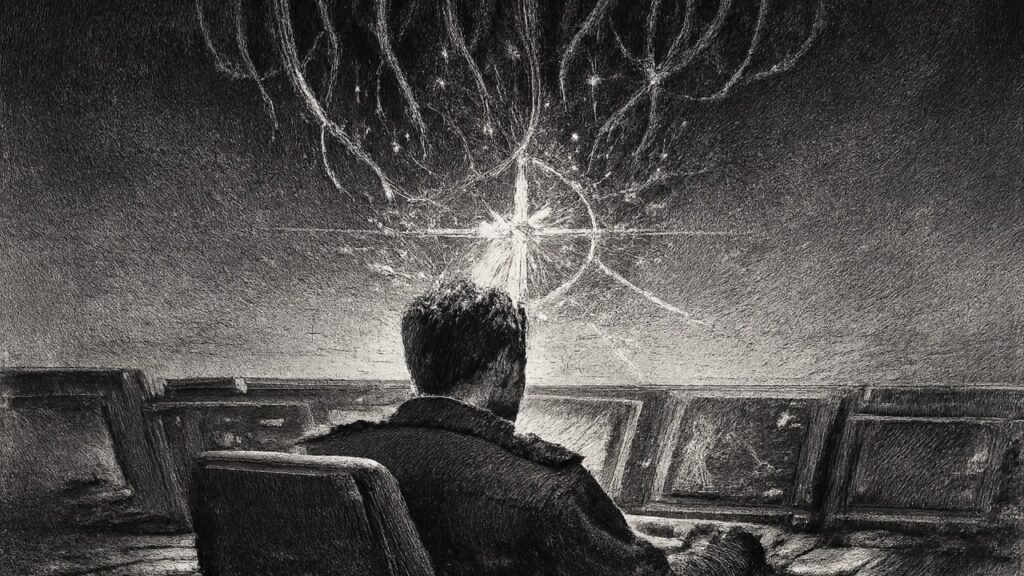
Vigilance on watch is not just ‘staring at screens.’ It is an active, continuous process of building and updating a mental model of the ship’s situation: What traffic is likely to appear? How are wind and current affecting us? What can our ship and crew do right now? What ‘smells wrong’ in the pattern of lights and echoes outside?
Meet the Digital Kraken: Why Coastal Autonomy Doesn’t Mean Crewless Deep-Sea Shipping Is Imminent

Autonomous ships exist. But ‘crewless, commercially routine, transoceanic shipping’ is a different species of problem. Once you’re out of sight of the coast, a kind of digital Kraken waits for anyone who thinks autonomy is ‘software + sensors.’ Not a monster in the mythological sense — a monster in the engineering sense: rare failures, degraded modes, and long stretches where the ship must survive without help.