
Grounding and subsequent sinking of an articulated tug-barge
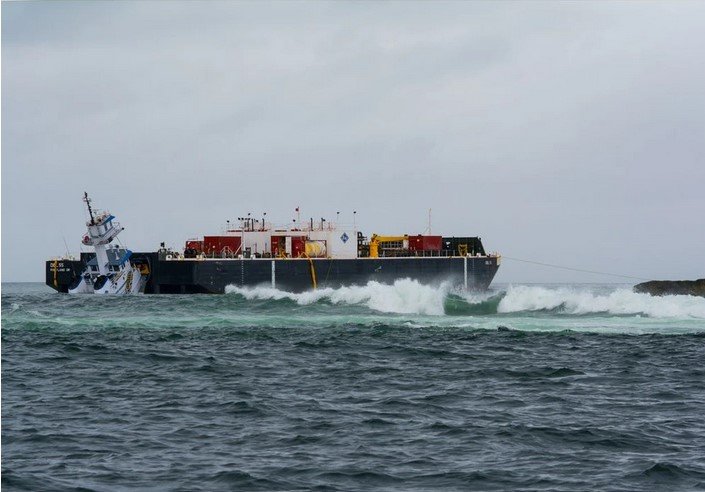
A missed course alteration and probable fatigue turned a routine transit into a grounding, sinking, and pollution event.
Grounding of the bulk carrier Shen Neng 1
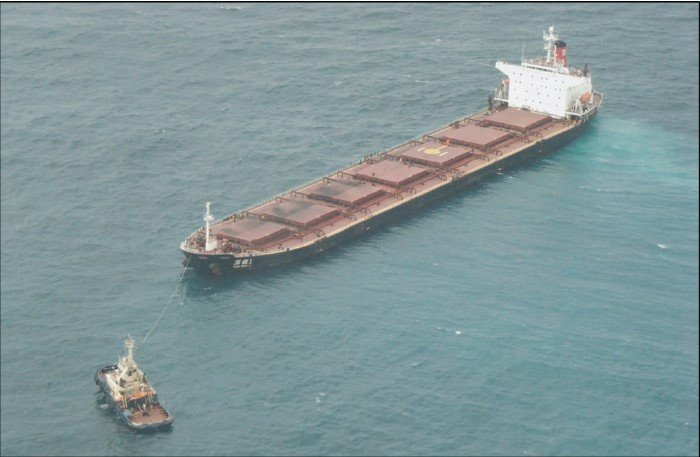
A bridge failure on a bulk carrier became a reef grounding, environmental event, and reputational loss.
Grounding of Ince Inebolu

Fatigue and poor bridge management led to a grounding off Greece, showing how repeated human-factor weaknesses can align into a serious casualty.
Blue Puttees Grounding
On 31 July 2013, the Blue Puttees was leaving the berth at Port aux Basques when the master ordered 10° to port. The rudder was instead applied 10° to starboard. About 42 seconds later, the error was recognised as the ferry’s heading changed unexpectedly. The master ordered full astern, but at 9.6 knots the vessel grounded before it could stop. No injuries or pollution were reported.
Manual Steering Assumed. Autopilot Still Engaged.

A ro-ro ferry was entering harbour at night when the helmsman took the wheel, believing manual steering was engaged. The autopilot remained active. The error was recognised only after an off-course alarm sounded, by which time the ferry was too close to avoid the breakwater. The vessel suffered considerable damage and was withdrawn from service; no injuries were reported.
Collision between US John S McCain and Alnic MC

On 21 Aug 2017, the US destroyer John S. McCain, overtaking the Liberian tanker Alnic MC in the westbound Middle Channel of the Singapore Strait, lost steering, veered port into Alnic’s path, and collided at 0524.
The loss of HMNZS MANAWANUI

On Saturday 5 October 2024, the Ship was conducting survey operations on the southern side of Upolu, Samoa, in support of the upcoming CHOGM. The wind was from a direction of 120° at 20 -25 kts with a high sea state 3, and visibility at greater than 10 nm.
Grounding of MV BBC Marmara
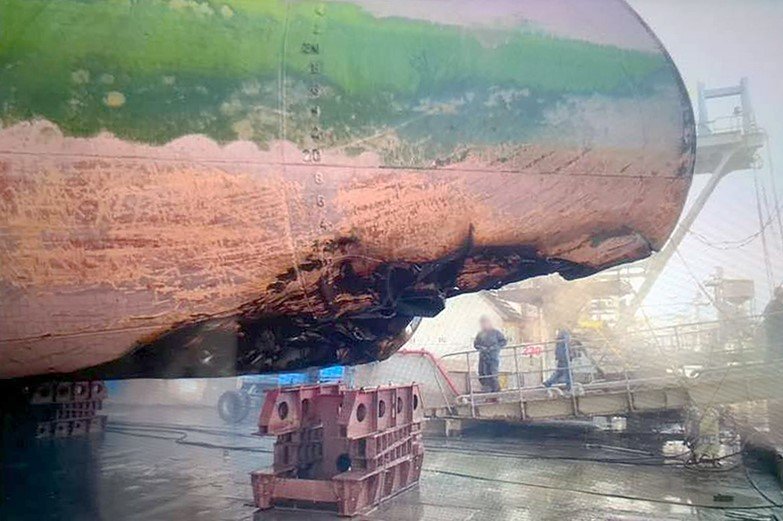
Alcohol, no lookout, and disabled alarms combined into a grounding that should never have been allowed to develop.
Disastrous discharge of oily wastewater continues despite monitoring
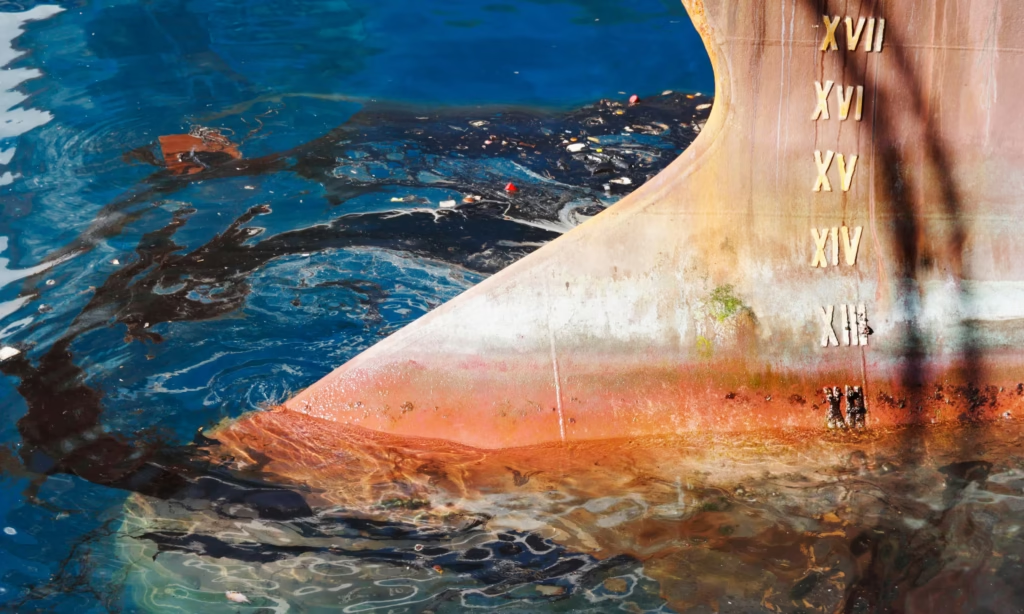
Europe’s Black Seas investigation exposes a chronic, large-scale problem of illegal oily wastewater discharges that evade existing surveillance and enforcement mechanisms. Despite millions spent on the EU’s CleanSeaNet satellite and radar system, only 1.5% of potential spills are checked within the three-hour window needed for evidence collection. Vessels routinely bypass onboard treatment, falsify records, and dump under the cover of night or disabled AIS signals, ensuring most incidents go unpunished.
ELNAV.AI: Artificial intelligence should assist the bridge, not audit it

Shipping should use AI where it improves safety and reduces harm. But we should resist designs that quietly turn professional seafarers into data sources for remote scoring and post-event blame. The principle I keep coming back to is simple: assist the bridge, don’t audit it